

Our impact
It starts with a glass of water.
A glass at breakfast. A refill at dinner. Drinking water made from the air in your home.
A better water future, together
Millions of refills. One planet.
A better water future starts with what we do every day. Across the Spout community, water made from air could fill millions of glasses each year. More refills. Less reliance on single-use bottles. A new way forward, together.
Potential Plastic Bottles Replaced
5803036 Per year, if every modeled refill replaces a 500 mL single-use bottle.Glasses’ worth of water per year
12264000 From the air around us to the moments that bring us together.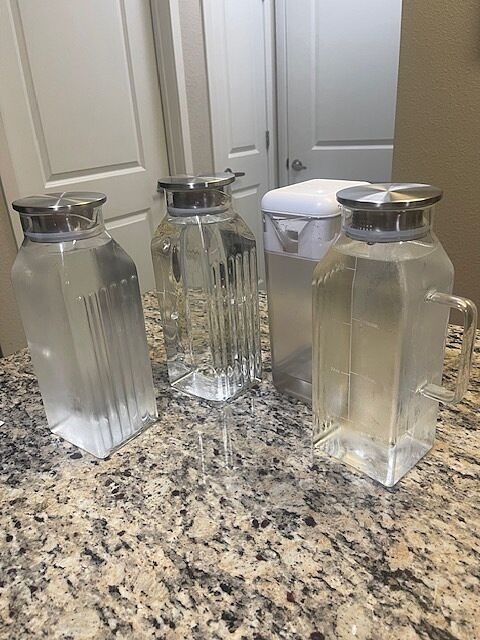
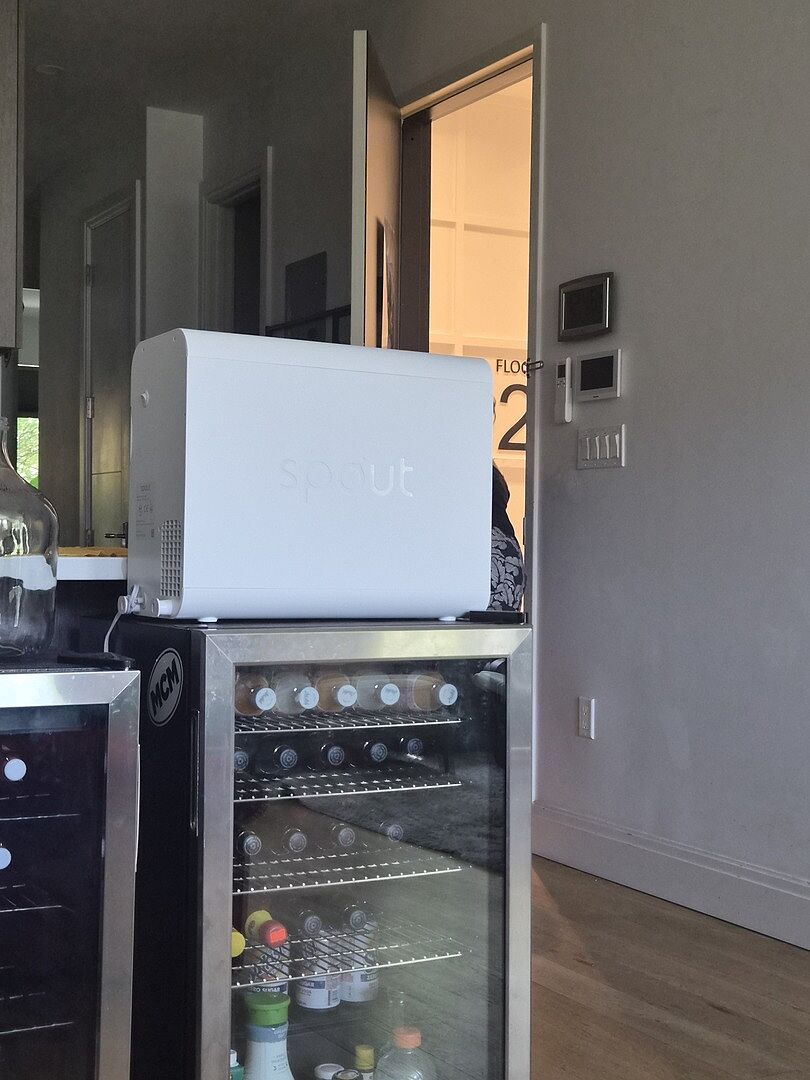
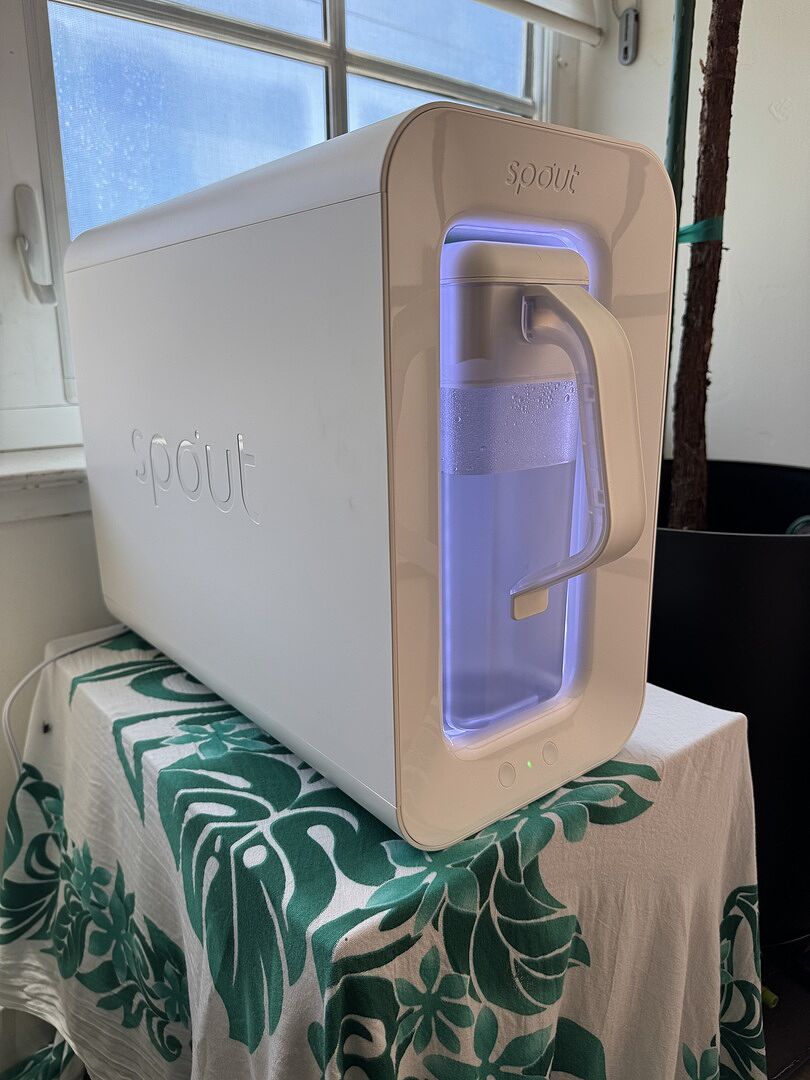
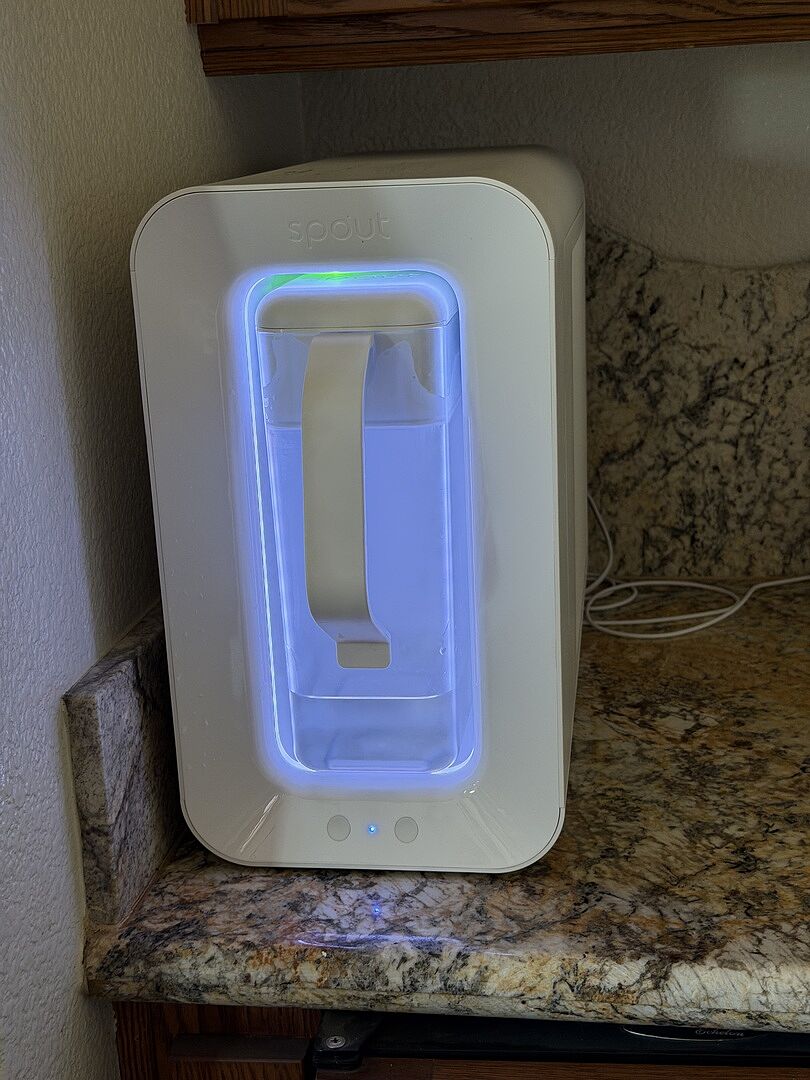
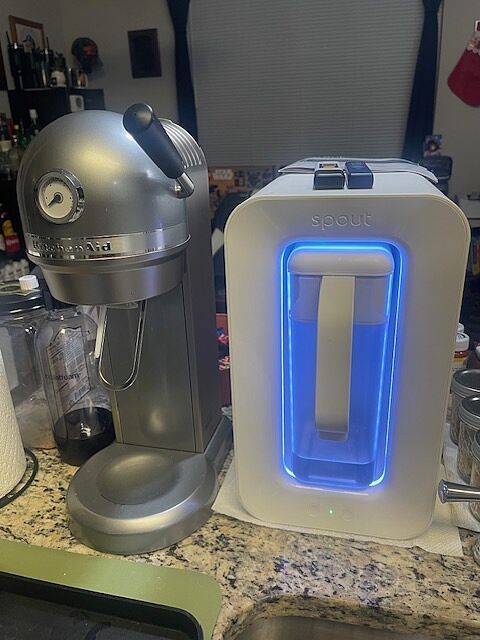
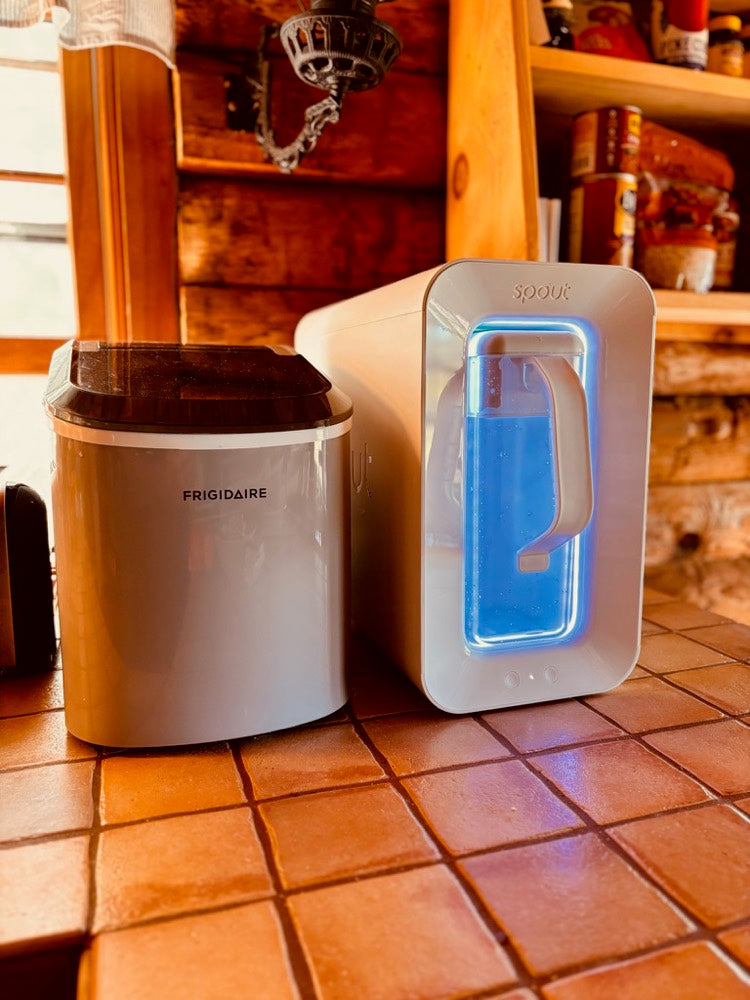

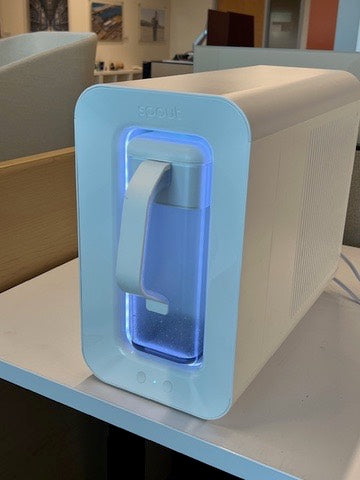

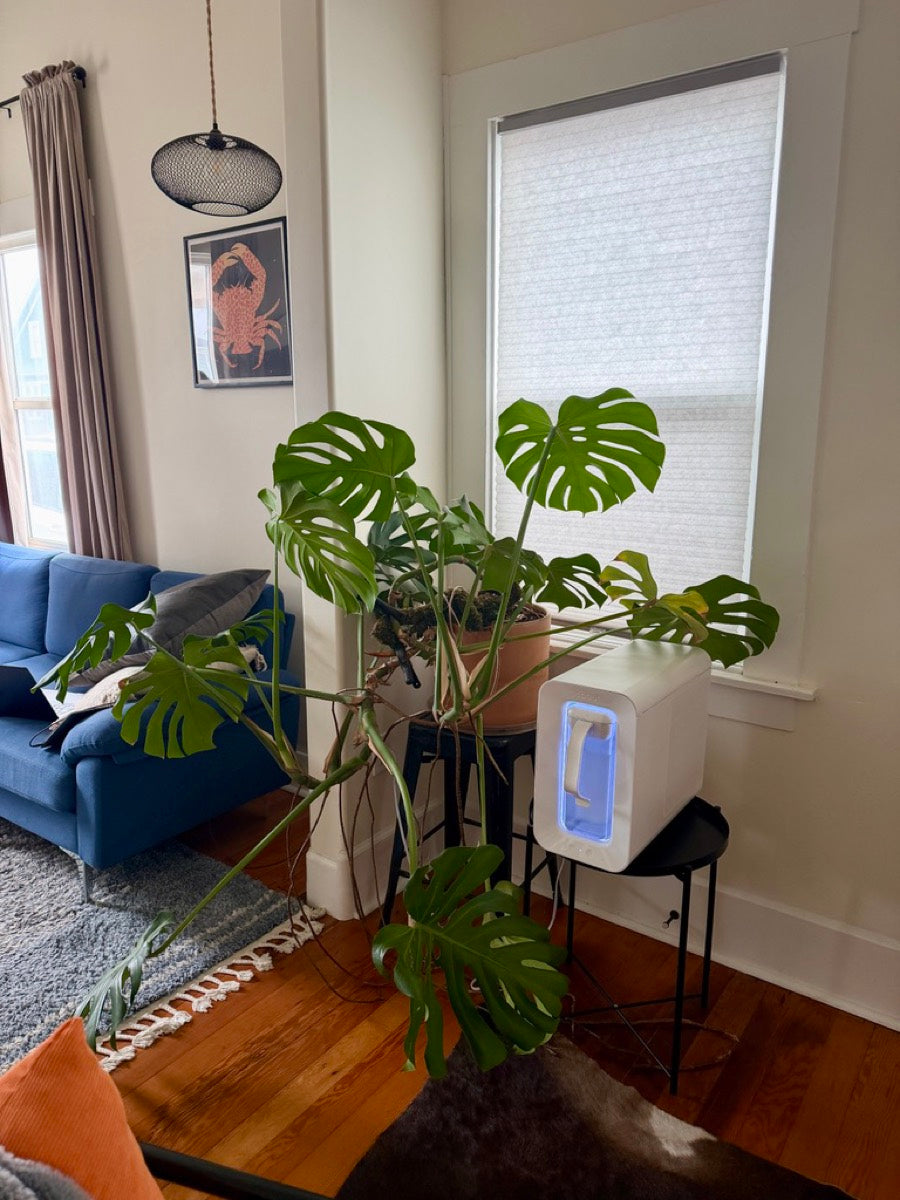
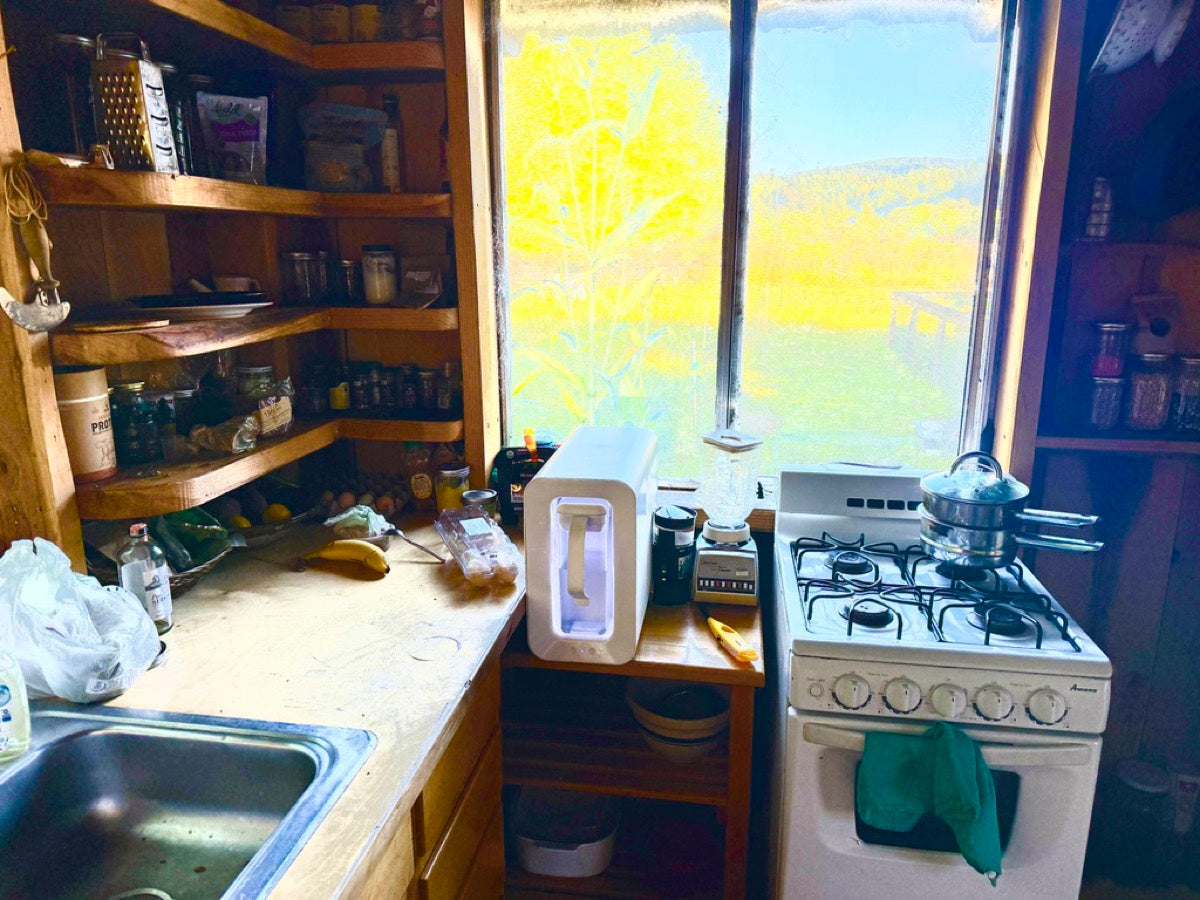
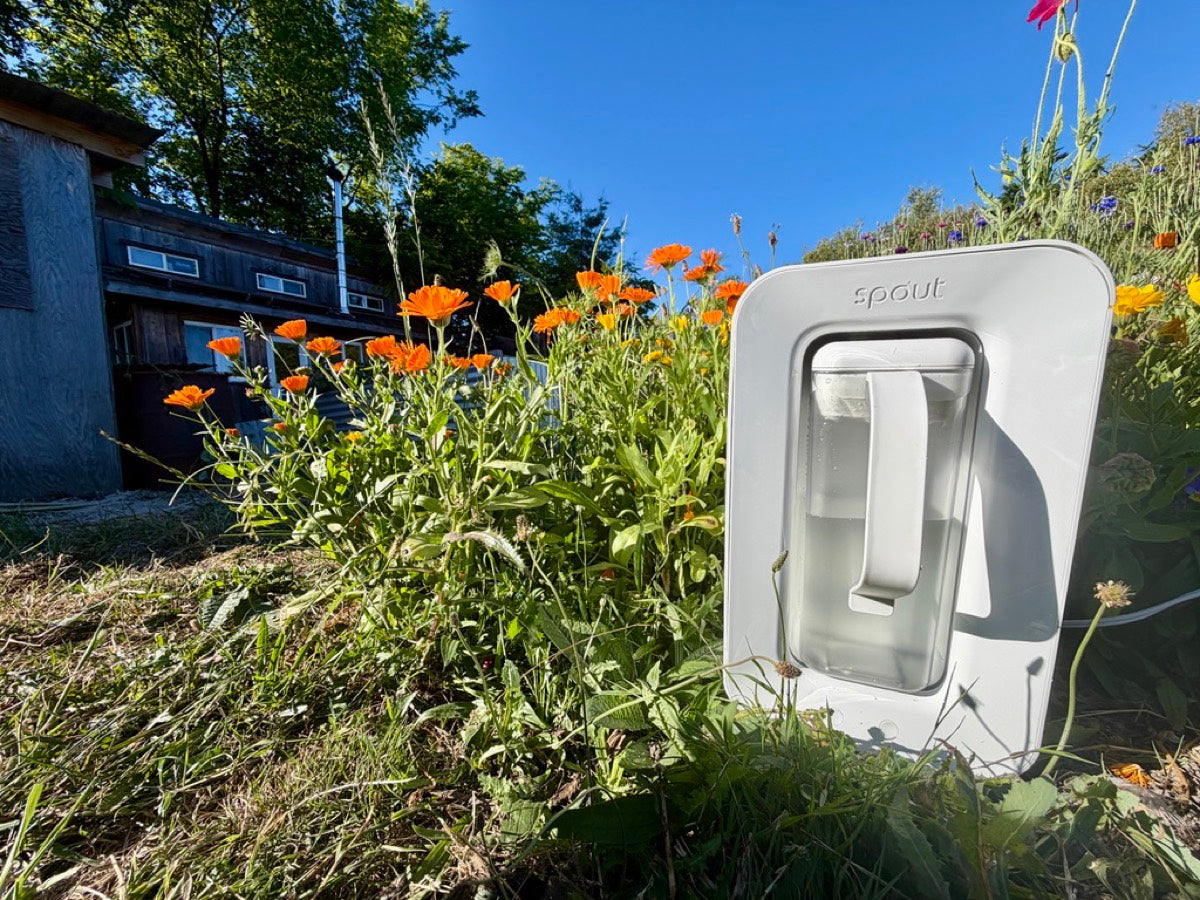
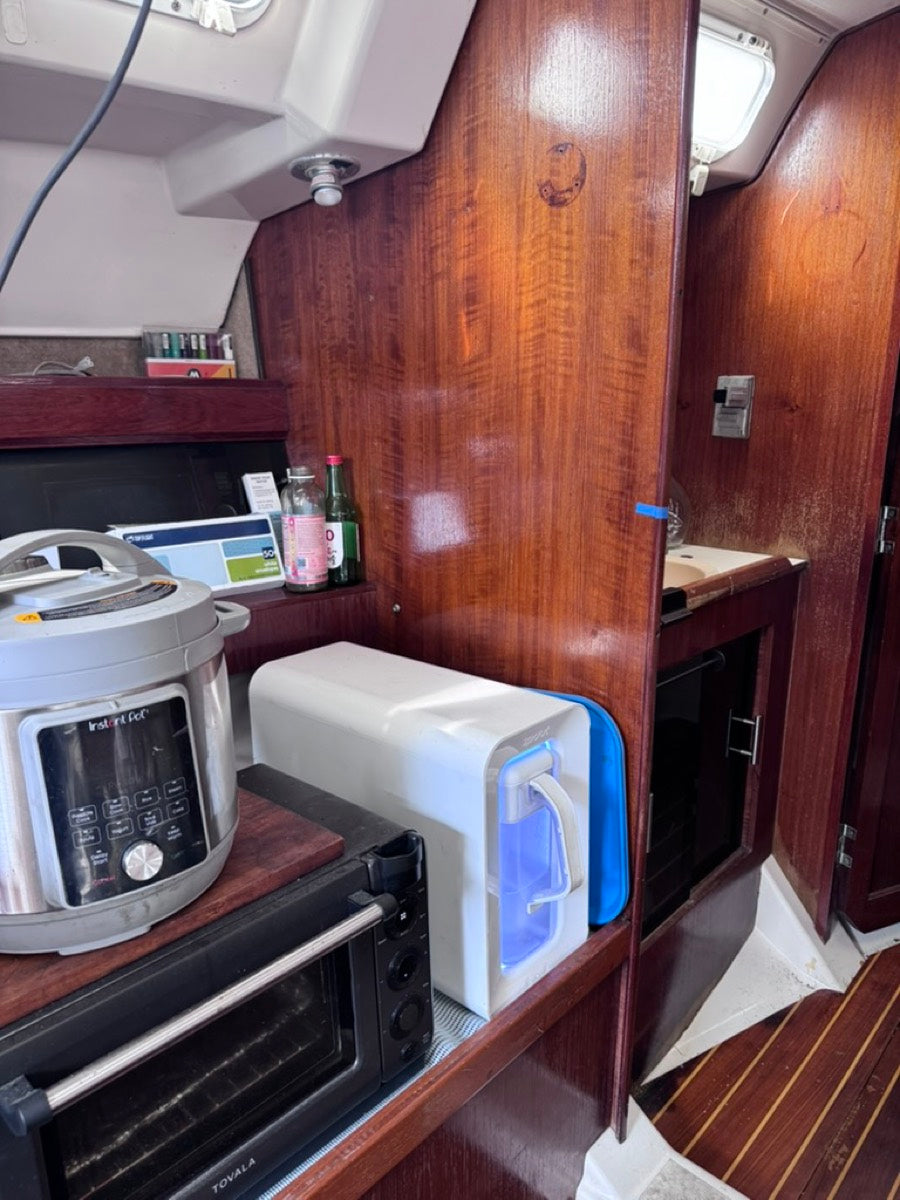


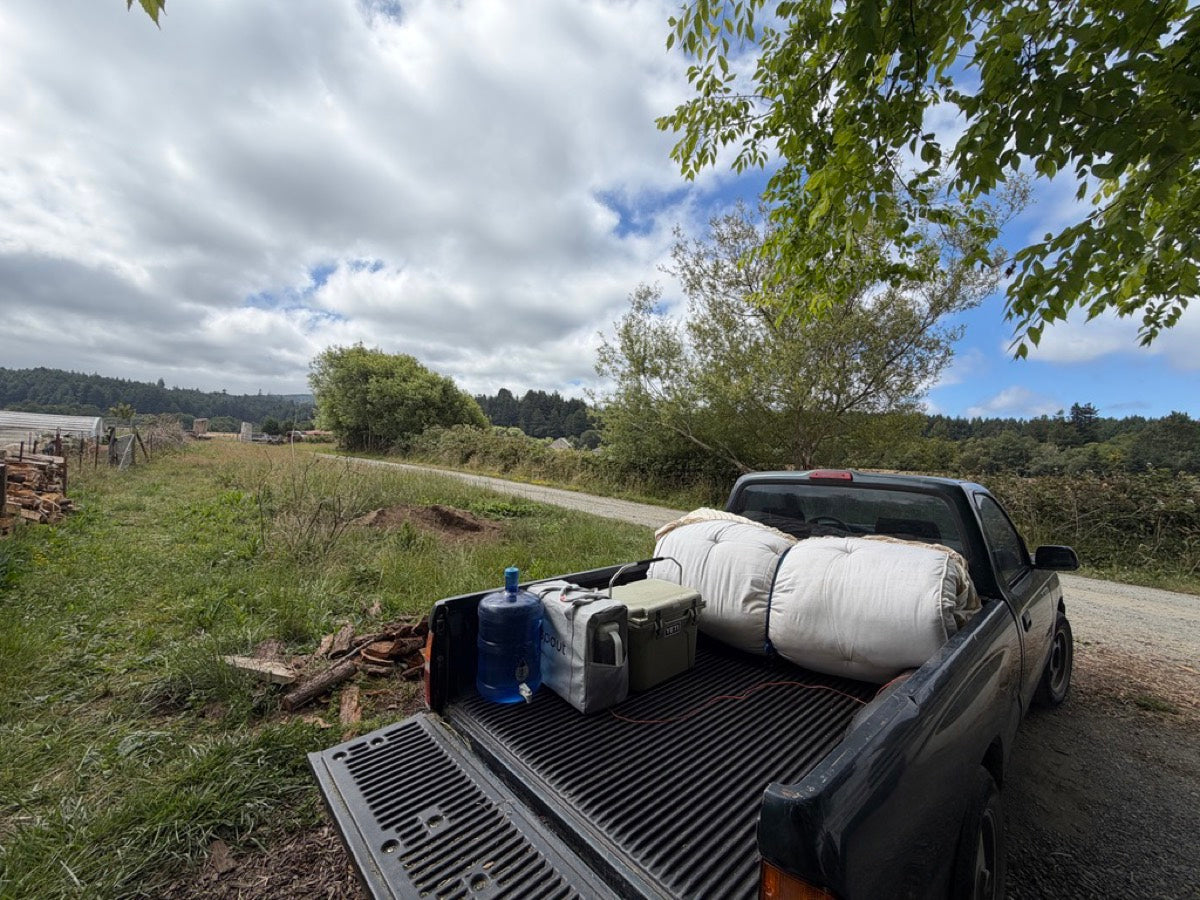
A different way to get your water
From the air around you to the glass in your hand.
The change starts at home. Here’s how an everyday refill fits into the bigger picture.
-
Make water at home.
Spout collects water vapor from the air and filters the water for drinking. No plumbing connection needed.
-
Refill what you love.
Your favorite glass. The bottle you take to work. Water made where your day happens.
-
Choose a refill.
Each time you reach for Spout instead of a single-use bottle, you choose a different way to get that drink.
Water output varies with the temperature and humidity around your Spout.
See how Spout works ↗
Why we started
A question sparked by morning dew.
During a California drought, our founder Reuben wondered whether moisture in the air could become a water source. That question grew into years of engineering and a machine designed for the home.
Read our story ↗The evidence
Good questions deserve clear answers.
Know where your water comes from. See what has been tested. Make your own informed choice.
Where your Spout water comes from
Spout draws water vapor from the air in your home, condenses it, then runs it through a multi-stage filtration path before it reaches your glass. It needs no plumbing line. What a specific machine can make varies with the temperature and humidity around it.
What independent testing shows
Spout’s water has been tested by third-party labs. In the EMSL Analytical reports we reviewed, microplastics were reported as not detected within the listed sample, method and reporting limits, including a qualitative under-10-micron screen. “Not detected” applies to those samples and methods - it is not the same as a mathematical zero. See the full reports for what was tested and when.
Read the lab reports ↗
What researchers are finding in bottled water
A 2024 study (Qian et al., PNAS) estimated an average of roughly 240,000 micro- and nanoplastic particles per liter across three bottled-water brands, about 90% of them nanoplastics. This is external research on specific bottled-water samples - not a universal concentration, a health-outcome claim, or a count of particles any Spout owner avoided.
Read the study ↗
In your home
What could change in your home?
Move the slider to see your annual bottle use and how much one Spout could cover.
Your everyday choices, added up
Your household uses1,460500 mL bottles a year
Water-volume estimate for one Spout. Actual output varies with temperature, humidity and use.
Your home estimate
Email me a copy.
Your estimate is already on the page. Enter an email only if you’d like a copy sent. Marketing updates are optional and separate.